
Seguya Memorial Technical Institute in Kangulumira has intensified its campaign to promote green skills technology, positioning vocational education as a key driver in environmental conservation, climate resilience, and youth employment.
As Uganda joined the global community in marking World Environment Day, the institute highlighted its environmentally friendly training programmes that equip students with practical skills and innovations aimed at reducing environmental degradation while creating sustainable livelihoods.
Through various courses and hands-on projects, learners are being encouraged to adopt technologies that support waste management, renewable energy, resource conservation, and sustainable production.
According to the institute’s Principal, Hajat Nakakande, green skills have become increasingly important in a world facing rising environmental challenges, including climate change, deforestation, pollution, and biodiversity loss.
Speaking to the press at the institute during World Environment Day celebrations, Nakakande said environmental sustainability has been deliberately integrated into training programmes to ensure graduates acquire skills that improve both livelihoods and community wellbeing.
“As we celebrate World Environment Day, we are reminding our students that protecting the environment is everyone’s responsibility. Through green skills training, we are empowering young people to become innovators, entrepreneurs and environmental stewards who can contribute to sustainable development,” she said.
She explained that technical and vocational institutions play a critical role in preparing young people for the emerging green economy, where sustainability is becoming central to production and service delivery.
“The future belongs to individuals who can combine technical competence with environmental responsibility. We are equipping our students with practical skills that enable them to create employment opportunities while conserving natural resources and protecting the ecosystem,” she added.
Nakakande noted that students are being encouraged to develop innovations that promote recycling, proper waste disposal, energy efficiency, and sustainable use of resources. She said such initiatives not only protect the environment but also provide solutions to community challenges.
She further said the institute has expanded its innovation programme beyond the classroom, extending it to surrounding communities.
“We initiated this innovative strategy for our learners, but we feel it is better we engage the community as well,” she said, adding that residents are being invited to observe and adopt the innovations developed at the institute.
Students said the green skills programme has broadened their understanding of environmental conservation and inspired them to develop practical solutions to environmental problems.
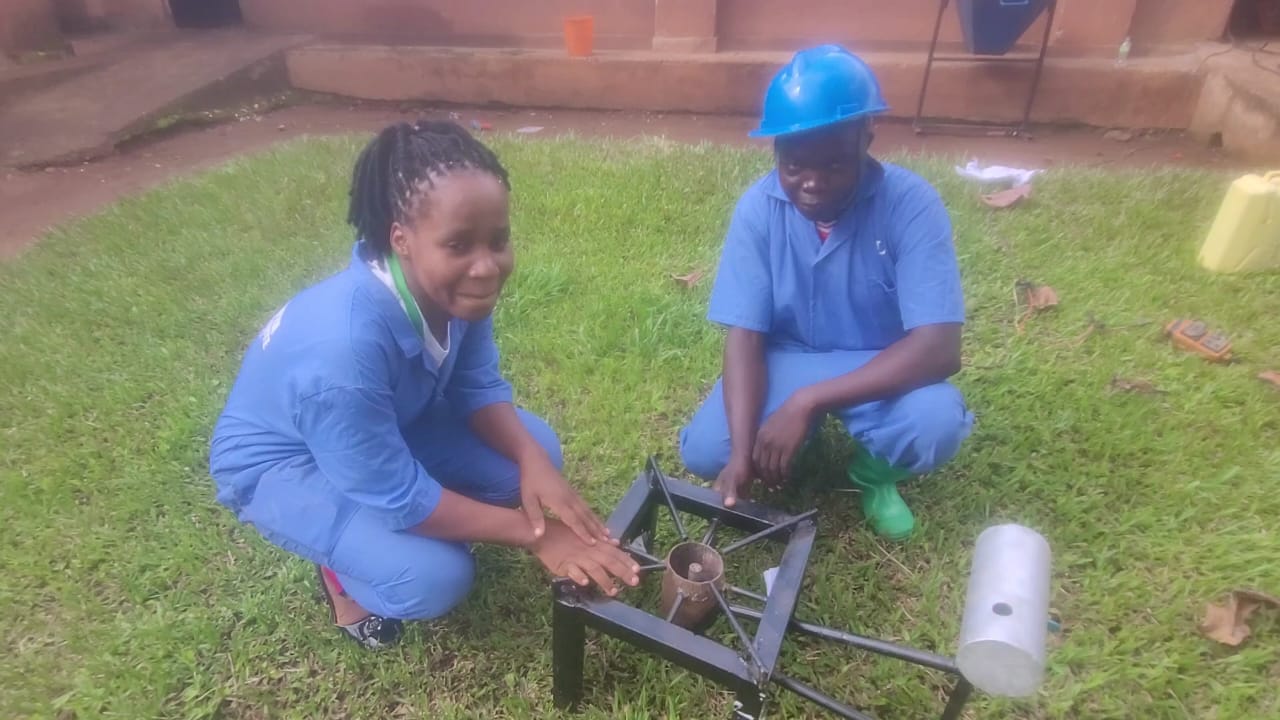
“We have managed to come up with a stove which uses used engine oil and cooking oil to minimise the use of firewood and tree cutting,” said one group of students from the plumbing department.
Another student said the training has changed attitudes towards waste, especially recycling and resource management, including the production of organic manure.
“Before joining the programme, many of us looked at waste as something useless. Today, we have learned that waste can be transformed into valuable products that generate income and reduce pollution in our communities,” the student said.
Others said the skills acquired are preparing them to become job creators rather than job seekers, noting that green innovation offers opportunities for small business creation while protecting the environment.
Students also called on communities to embrace sustainable practices such as tree planting, proper waste management, and responsible use of natural resources, saying environmental conservation should not be left to government agencies alone.
Environmental experts have increasingly emphasized the importance of green skills in addressing environmental degradation and youth unemployment. They argue that institutions like Seguya Memorial Technical Institute are helping to build a workforce capable of supporting sustainable economic growth.
As the world marked World Environment Day, the institute said investing in green skills remains one of the most effective ways of building resilient communities and securing a sustainable future.
For students, the message is clear: environmental conservation is not only about protecting nature, but also about creating opportunities, improving livelihoods, and ensuring future generations inherit a healthy and productive environment.
